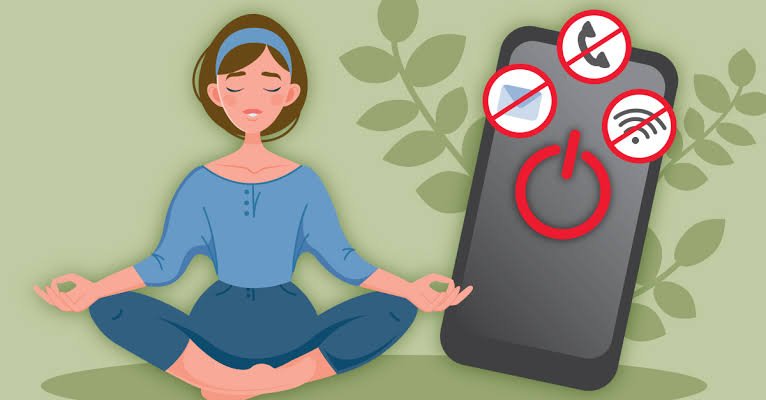
Be honest — how many times have you picked up your phone “just to check one thing” and lost 40 minutes to it? Same here. That’s exactly why digital detox tips have become one of the most searched wellness topics in 2026, and for good reason.
Why We Struggle to Put the Phone Down
Apps are literally engineered to keep you scrolling — infinite feeds, notifications, and dopamine loops aren’t accidental design choices.
1. Track Your Actual Screen Time First
The first step in any digital detox tips list is awareness — most people underestimate their screen time by nearly 50%, so checking your phone’s built-in usage report is a genuinely eye-opening starting point.
I thought I was averaging 2 hours a day. It was closer to 5. That number alone changed my behavior more than any app blocker did.
2. Turn Off Non-Essential Notifications
You don’t need alerts for every like, comment, or promotional email. Keep notifications only for calls, messages, and genuinely time-sensitive apps.
3. Create Phone-Free Zones
- No phones at the dining table
- No phones in the bedroom (use an actual alarm clock)
- No phones during the first hour after waking
4. Use Grayscale Mode
Sounds odd, but switching your phone to grayscale removes a surprising amount of the visual appeal that keeps you scrolling.
5. Schedule Specific “Check-In” Times
Instead of checking email and social media randomly all day, pick 2-3 fixed windows. This alone can cut phone pickups dramatically.
6. Replace the Habit, Don’t Just Remove It
Simply telling yourself “less phone” rarely works. Replace scrolling time with something specific — a book, a short walk, calling a friend instead of texting.
7. Try a Weekly Digital Sabbath
One practical approach among digital detox tips is picking one full day a week — even just a few hours — to go completely offline, which noticeably resets your relationship with your phone.
Sundays work well for a lot of people since there’s usually less work pressure pulling you back in.
8. Use Built-In App Limits
Both iOS and Android now have solid built-in tools for setting daily app limits — no need for a third-party app necessarily.
Does Digital Detox Mean Quitting Social Media Entirely?
Not at all. Full quitting works for some, but for most people, moderation and intentional use is more sustainable long term than an all-or-nothing approach.
FAQs
Q: How long should a digital detox last? Even a single day a week produces noticeable benefits — you don’t need a full week offline to see results.
Q: Will a digital detox improve my sleep? Yes, particularly avoiding screens an hour before bed, since blue light delays melatonin release.
Q: Is it realistic to detox if I need my phone for work? Absolutely — detox doesn’t mean no phone at all, it means intentional, limited use outside work needs.
Q: What’s the hardest part of a digital detox? The first 2-3 days are usually the toughest as your brain adjusts to less stimulation.
Q: Can kids benefit from digital detox too? Very much so — screen limits for children show measurable improvements in sleep and mood.
Conclusion
These digital detox tips aren’t about rejecting technology altogether — they’re about using it on your terms instead of the algorithm’s. Start small: track your screen time this week, then pick just one habit from this list to try.