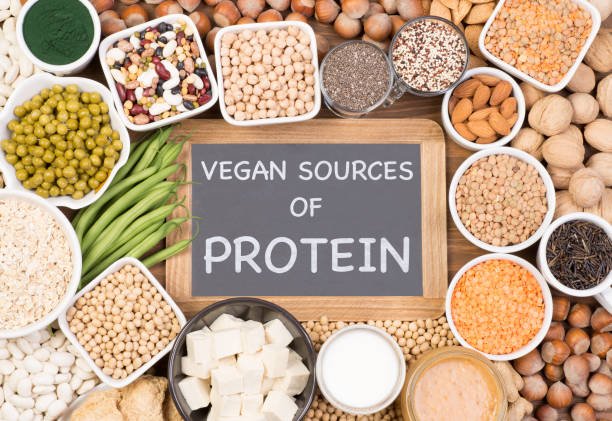
“But where do vegetarians even get their protein?” If you’ve heard this question a hundred times too, you’re not alone. The truth is, high protein vegetarian foods India already has in abundance make this a non-issue once you know what to prioritize.
Why Protein Matters More Than People Realize
Protein isn’t just for bodybuilders — it supports muscle repair, immunity, hormone production, and keeps you fuller for longer.
1. Lentils and Dals — The Everyday Hero
Dal is one of the most accessible high protein vegetarian foods India offers, with roughly 18 grams of protein per 100 grams of raw moong or masoor dal.
A simple bowl of dal-chawal isn’t just comfort food — it’s a legitimate protein source most Indian households already eat daily.
2. Paneer
100 grams of paneer packs around 18 grams of protein. Grilled, in curry, or straight out of the fridge — versatile and filling.
3. Greek Yogurt or Hung Curd
Regular curd has decent protein, but hung curd (chakka) concentrates it further — roughly 8-10 grams per 100 grams, plus gut-friendly probiotics.
4. Chickpeas and Rajma
Both chana and rajma offer around 19 grams of protein per 100 grams (dry weight). A hearty rajma-chawal isn’t just tasty — it’s a solid protein meal.
5. Soybeans and Soy Chunks
Soy is genuinely one of the highest plant protein sources available, at nearly 36 grams per 100 grams dry weight. Soy chunks (nutrela) are cheap, widely available, and easy to cook into curries.
6. Quinoa
Less common in traditional Indian kitchens but increasingly available — quinoa offers a complete protein profile with all essential amino acids, roughly 14 grams per 100 grams.
7. Nuts and Seeds
- Peanuts — 25g protein per 100g
- Almonds — 21g protein per 100g
- Pumpkin seeds — 19g protein per 100g
- Chia seeds — 17g protein per 100g
A handful daily adds up more than people expect.
8. Eggs (For Ovo-Vegetarians)
One egg provides about 6 grams of high-quality protein, and it’s one of the most bioavailable protein sources available at any price point.
Sample High-Protein Vegetarian Day
- Breakfast: Moong dal chilla with curd
- Lunch: Rajma-chawal with a side salad
- Snack: Roasted chana or a handful of almonds
- Dinner: Paneer bhurji with roti
That’s easily 70-80 grams of protein without a single supplement scoop.
Do Vegetarians Really Need Protein Powder?
Most vegetarians can meet daily protein needs through whole foods alone, though those with intense training goals or higher body weight may still benefit from a plant-based protein supplement.
I was skeptical of this for years until I actually tracked my meals for a week — turns out dal, paneer, and curd alone got me most of the way there.
FAQs
Q: What is the best high protein vegetarian food for weight gain? Paneer, soy chunks, and nuts combine protein with healthy calories, making them ideal for weight gain.
Q: Can vegetarians build muscle without eggs or meat? Yes, absolutely — many bodybuilders follow purely vegetarian diets successfully using dal, paneer, and soy.
Q: How much protein does an average adult need daily? Roughly 0.8-1 gram per kg of body weight for general health, more for active individuals.
Q: Is soy protein safe for daily consumption? Yes, moderate daily soy consumption is considered safe and even beneficial for most people.
Q: What’s a quick high-protein snack for vegetarians? Roasted chana, a boiled egg (if ovo-vegetarian), or a bowl of curd with nuts work well.
Conclusion
Finding high protein vegetarian foods India already stocks in every kitchen isn’t hard once you know where to look — dal, paneer, chana, and curd cover most of the ground. Try tracking your protein for just three days this week; you might be closer to your goal than you think.