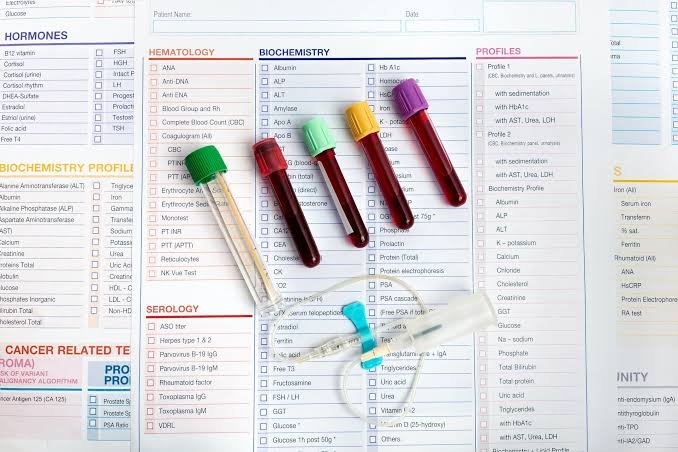
Getting a blood report back and seeing a wall of numbers and abbreviations is genuinely intimidating. CBC, HbA1c, LDL, TSH — what does any of it mean? Learning how to read blood test report basics won’t replace your doctor, but it does help you ask smarter questions.
Why Bother Understanding Your Own Report?
Because doctors are often rushed, and having a basic grasp means you catch things worth flagging instead of nodding along blindly.
1. Complete Blood Count (CBC) — The Basics
A CBC measures red cells, white cells, and platelets — low hemoglobin often points to anemia, while high white cell counts can signal infection or inflammation.
Key values to glance at:
- Hemoglobin (normal: roughly 13-17 g/dL for men, 12-15 for women)
- WBC count (normal: 4,000-11,000/µL)
- Platelet count (normal: 150,000-450,000/µL)
2. Understanding Blood Sugar Numbers
Fasting glucose and HbA1c together tell the diabetes story. Fasting glucose under 100 mg/dL is normal; 100-125 is prediabetic range; above that suggests diabetes. HbA1c under 5.7% is normal.
3. Lipid Profile — Cholesterol Explained
This one confuses almost everyone because “good” and “bad” cholesterol sound backwards to people.
- LDL (bad cholesterol): ideally under 100 mg/dL
- HDL (good cholesterol): ideally above 40 mg/dL for men, 50 for women
- Triglycerides: ideally under 150 mg/dL
4. Thyroid Panel (TSH, T3, T4)
TSH is the main number doctors watch first. A high TSH usually means an underactive thyroid; a low TSH often points toward an overactive one. It sounds backward, I know — it confused me the first time too.
5. Liver and Kidney Function Tests
SGPT, SGOT for liver; creatinine and urea for kidneys. Mildly elevated numbers aren’t automatically alarming — they can shift with dehydration, recent alcohol, or even intense exercise the day before.
6. Vitamin Levels Worth Checking
Vitamin D and B12 deficiencies are extremely common in India, partly due to indoor lifestyles and vegetarian diets low in B12 sources.
What Do the “Reference Range” Columns Actually Mean?
The reference range shown next to each value represents what’s considered normal for most healthy people — being slightly outside it isn’t automatically dangerous, but a doctor should interpret it alongside your symptoms and history.
When Should You Worry About a Result?
Honestly, don’t self-diagnose from Google. If a value is significantly outside range — not just slightly — or your doctor flags it, that’s the trigger for follow-up, not panic.
FAQs
Q: Can I understand my full blood test report without a doctor? You can get a general sense, but interpretation alongside symptoms and history still needs a professional.
Q: Why do reference ranges differ between labs? Different labs use different equipment and methods, so slight variations in the “normal” range are expected.
Q: Is a slightly high cholesterol reading dangerous? Not immediately, but it’s worth monitoring and addressing through diet and activity before it climbs further.
Q: What’s considered a critical blood sugar level? Fasting glucose above 126 mg/dL on repeated tests generally confirms diabetes.
Q: Should I fast before every blood test? Not all tests need fasting — glucose and lipid profiles usually do, but many others don’t.
Conclusion
Learning how to read blood test report basics turns a confusing document into something you can actually engage with during your next doctor visit. It won’t make you a diagnostician, but it will make you a more informed patient — and that’s genuinely worth something.