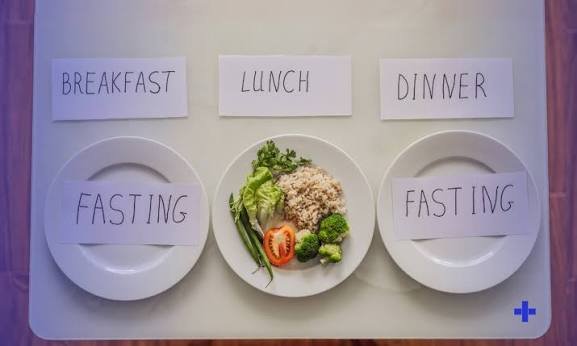
Everyone seems to be doing it — skipping breakfast, eating within a tight window, talking about “16:8” like it’s second nature. Intermittent fasting for weight loss has genuinely stuck around longer than most diet trends, and there’s real reasoning behind why it works for a lot of people.
What Is Intermittent Fasting, Really?
Intermittent fasting for weight loss involves cycling between periods of eating and fasting, with the most popular method — 16:8 — restricting eating to an 8-hour window each day.
It’s not about what you eat during that window (though quality still matters) — it’s primarily about when you eat.
1. Common Intermittent Fasting Methods
- 16:8 — Fast 16 hours, eat within an 8-hour window (most beginner-friendly)
- 5:2 — Eat normally 5 days, restrict calories significantly 2 days
- OMAD — One meal a day (more advanced, not for beginners)
- Alternate day fasting — Alternating between normal eating and fasting days
2. Why It Works for Weight Loss
Fasting periods naturally reduce overall calorie intake for many people, plus they may improve insulin sensitivity, which supports fat metabolism over time.
3. How to Start as a Complete Beginner
Don’t jump straight into 16:8. Start with 12:12, then gradually extend the fasting window over 1-2 weeks as your body adjusts.
4. What Can You Have During the Fasting Window?
- Water (as much as needed)
- Black coffee or plain tea
- Electrolytes without sugar
Anything with calories technically breaks the fast, though this is more nuanced in practice than strict rule-followers make it sound.
5. Common Mistakes Beginners Make
Overeating during the eating window is the single biggest mistake with intermittent fasting for weight loss — the calorie deficit still matters, fasting alone doesn’t guarantee results.
I made this mistake early on, treating my 8-hour window as a free-for-all. Weight loss stalled until I actually paid attention to what I was eating too.
6. Who Should Avoid Intermittent Fasting?
- Pregnant or breastfeeding women
- People with a history of eating disorders
- Those with diabetes (without medical supervision)
- Anyone with a medical condition requiring regular meals
7. Realistic Timeline for Results
Most people notice initial changes within 2-3 weeks, though significant weight loss typically takes 2-3 months of consistency combined with reasonable eating habits.
8. Combining Fasting With Exercise
Light exercise during the fasted state is generally fine for most healthy people, though intense workouts might feel better scheduled closer to your eating window initially.
Does Intermittent Fasting Work for Everyone?
Honestly, no. Some people find it genuinely sustainable; others find it triggers overeating or irritability. There’s no single “best” diet — the best one is the one you can actually stick to.
FAQs
Q: How much weight can I lose with intermittent fasting in a month? Results vary, but 2-4 kg in the first month is a realistic, sustainable range for most beginners.
Q: Does intermittent fasting slow down metabolism? Short-term fasting (under 24 hours) generally doesn’t slow metabolism meaningfully; prolonged extreme fasting might.
Q: Can I drink coffee during intermittent fasting? Yes, black coffee without sugar or milk is widely accepted during fasting windows.
Q: Is 16:8 the best method for beginners? Yes, it’s typically the easiest to sustain long-term compared to more extreme fasting protocols.
Q: What breaks a fast? Technically, anything with calories — even small amounts of milk in tea count, though this matters more for strict fasting goals like autophagy than general weight loss.
Conclusion
Intermittent fasting for weight loss can genuinely work, but it’s not magic — it’s still fundamentally about eating within your body’s needs, just structured differently around time. Start slow with a 12-hour fast this week and build up gradually rather than diving into 16:8 immediately.