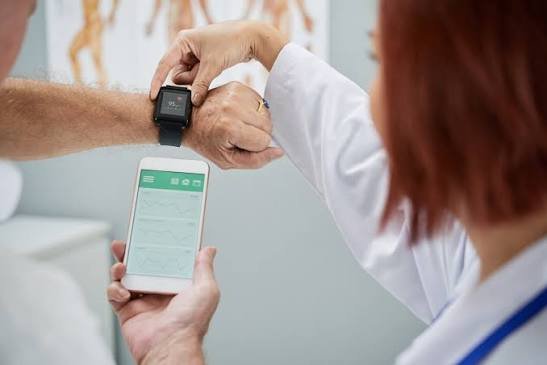
Everyone seems to be wearing a smartwatch or fitness band these days, constantly checking steps, heart rate, and sleep scores. But do wearable health monitoring devices actually improve health outcomes, or is it mostly data for data’s sake?
What Can These Devices Actually Track in 2026?
Modern wearable health monitoring devices can track heart rate, sleep stages, blood oxygen levels, and even detect irregular heart rhythms — some models now offer ECG readings that were exclusively hospital-grade just a decade ago.
That shift genuinely surprised me — features that used to require a cardiologist’s equipment are now sitting on people’s wrists.
1. Heart Rate and Rhythm Monitoring
Continuous heart rate tracking can flag unusual patterns, and several devices have documented cases of detecting atrial fibrillation in users who had no prior symptoms.
2. Sleep Tracking
While not as precise as clinical sleep studies, wearables provide genuinely useful trends — showing patterns in sleep duration and quality over weeks that most people would never notice otherwise.
3. Activity and Step Tracking
Basic, but effective for motivation. Seeing a daily step count visually tends to genuinely increase activity levels for a lot of users, at least initially.
4. Blood Oxygen (SpO2) Monitoring
Became widely popular during the pandemic and remains useful for general fitness tracking, though it’s not a substitute for medical-grade pulse oximeters in serious situations.
5. Stress and Recovery Metrics
Many wearable health monitoring devices now estimate stress levels using heart rate variability (HRV) — while not perfectly accurate, the trend data over time can highlight patterns worth paying attention to.
6. Women’s Health Tracking
Cycle tracking, ovulation prediction, and pregnancy-related monitoring have become standard features on many devices, adding real value for women’s health management.
What These Devices Can’t Do
They’re not diagnostic medical tools. A wearable flagging an irregular heart rhythm is a prompt to see a doctor, not a diagnosis in itself — this distinction matters a lot.
7. Data Privacy Considerations
Health data collected by wearable health monitoring devices is genuinely sensitive — checking a device’s privacy policy and data-sharing practices before purchase is a step many buyers skip.
Worth actually reading before syncing years of your heart rate and sleep data to a company’s servers.
Is It Worth Buying One?
Picture someone with a family history of heart issues who’s otherwise reluctant to visit doctors regularly — a wearable device offering early warning signs could genuinely be valuable, beyond just fitness motivation.
For general fitness tracking and motivation, most decent wearables deliver real value. For serious medical monitoring, they complement — not replace — proper healthcare.
FAQs
Q: Are wearable health monitoring devices medically accurate? They’re reasonably accurate for trends and general tracking but aren’t considered medical-grade diagnostic tools.
Q: Can a smartwatch really detect heart problems? Some can flag irregular rhythms suggestive of atrial fibrillation, prompting further medical evaluation, though it’s a screening tool, not a diagnosis.
Q: How accurate is sleep tracking on wearables? Reasonably good for trends and patterns, though less precise than clinical sleep studies for detailed sleep stage analysis.
Q: Do I need an expensive wearable for accurate health tracking? Not necessarily — mid-range devices from reputable brands often provide sufficiently accurate tracking for general health purposes.
Q: Is my health data safe with wearable devices? It depends heavily on the manufacturer’s privacy policies — reviewing these before purchase is genuinely worthwhile.
Conclusion
Wearable health monitoring devices have moved well beyond simple step counters, offering genuinely useful health insights in 2026. They work best as an early-warning and motivation tool alongside regular medical care, not as a replacement for actual checkups.