Drug trials get most of the attention, but devices change patient care just as much. Four recent updates show how clinical studies are reshaping heart procedures, dental imaging, brain aneurysm treatment and fracture repair.
Durability in atrial fibrillation ablation
ARGA MedTech’s pulsed field ablation (PFA) technology reported a 94% durability rate in burst atrial fibrillation cases. Durability matters because recurrence is a persistent challenge in arrhythmia management, and a procedure that holds up over time spares patients repeat interventions. The report on ARGA MedTech’s PFA durability result discusses the clinical significance.
The first dental-dedicated MRI
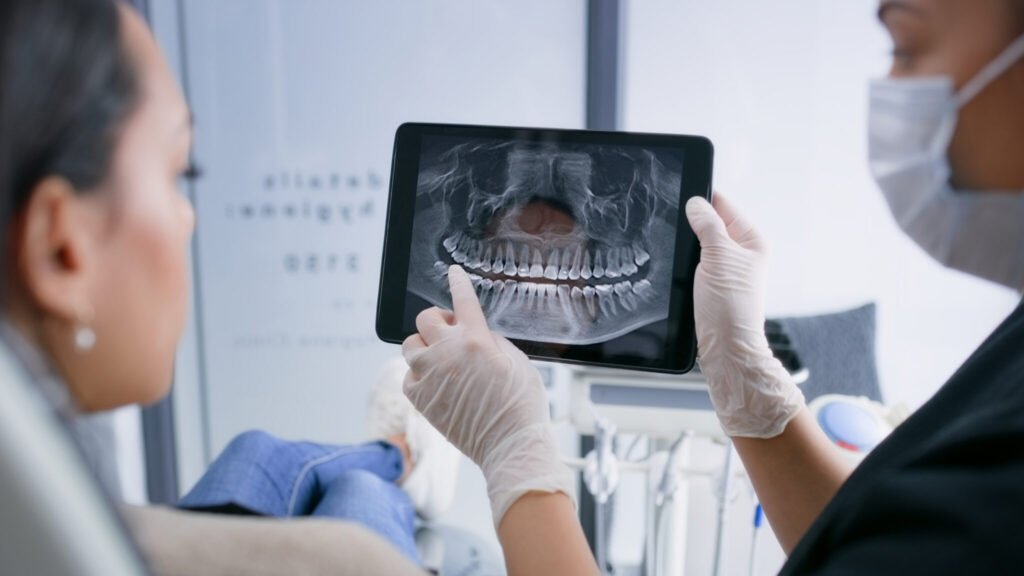
The FDA has cleared the first dental-dedicated MRI system following successful clinical trials. The system showed it could visualize tooth-nerve relationships, identify inflammation and assess pulp vitality without ionizing radiation. Imaging sessions averaged under 20 minutes across several dental applications, which suggests the workflow is practical, not just possible. The details of the FDA clearance of the first dental MRI show how a trial can open a new category.
Seeing inside the vessel wall
Spryte Medical has enrolled the first participants in its INSYTE trial, an FDA-approved IDE study of a neuro-specific intravascular optical coherence tomography (OCT) imaging system used during endovascular treatment of intracranial aneurysms. The multicenter study will assess safety and imaging performance.
The platform aims to give high-resolution views of vessel wall structures and device-tissue interactions in real time, which could support physician decision-making during complex aneurysm procedures.
A bone filler for fracture repair
A clinical trial is evaluating Osstic, a bone filler designed to support fracture repair. It is meant to help surgeons restore structural integrity by providing a biocompatible material that integrates with natural bone healing. The study will examine safety and performance in fracture patients to see whether recovery outcomes and surgical success improve.
What device trials measure
Device studies lean on measures like durability, image quality, workflow time and procedural safety. These outcomes are practical by design. They answer whether a tool works in real procedures, with real operators and under real time pressure.
It also helps to know what an IDE study is. An investigational device exemption allows a device to be used in a clinical study to collect safety and effectiveness data. The Spryte trial runs under that framework, which is why it is described as FDA-approved. For patients, the label means regulators reviewed the study plan before enrollment began. Clearance of a final product, as with the dental MRI, comes later and rests on the trial evidence.
Conclusion
From the heart to the jaw to the brain, device trials turn engineering ideas into dependable clinical tools. Following them gives a clear view of how everyday procedures are about to change.