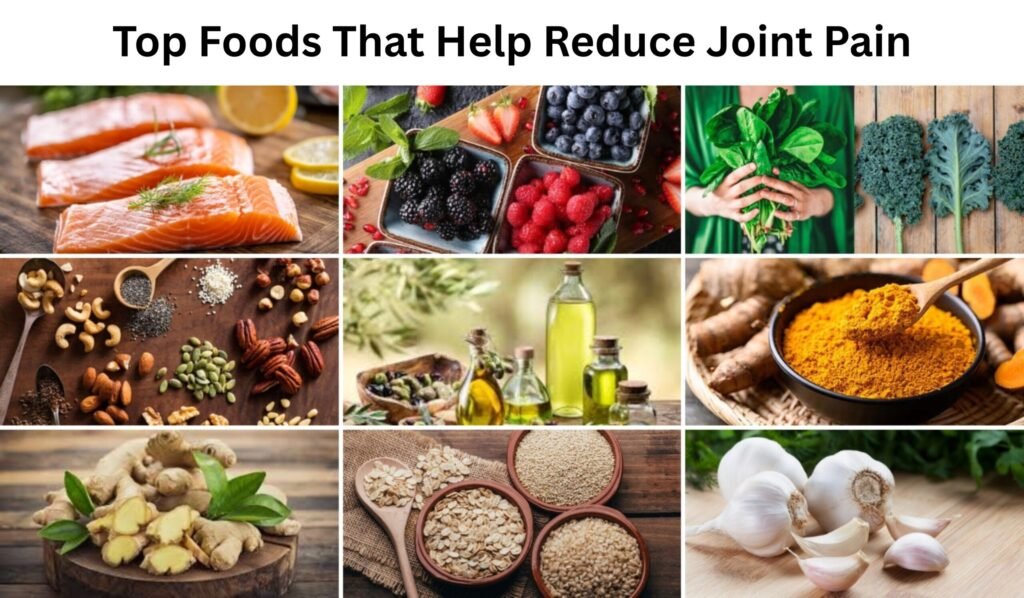
Stiff knees in the morning, aching hands after a day of chores — joint pain becomes an unwelcome regular visitor for a lot of seniors. While diet alone won’t cure arthritis, certain foods for joint pain relief genuinely support reduced inflammation and better daily comfort.
How Diet Connects to Joint Pain
Certain foods for joint pain relief work by reducing systemic inflammation, which is a key driver of arthritis discomfort — this doesn’t replace medical treatment, but it meaningfully supports it.
My grandfather was skeptical that food could make any real difference until he noticed less morning stiffness after a few months of dietary changes alongside his regular treatment.
1. Fatty Fish
Salmon, mackerel, and sardines are rich in omega-3 fatty acids, which have well-documented anti-inflammatory effects relevant to joint health. Aim for 2-3 servings weekly if diet allows.
2. Turmeric
Curcumin, the active compound in turmeric, has genuine anti-inflammatory properties studied specifically for arthritis relief. Pairing with black pepper significantly improves absorption.
3. Leafy Greens
Spinach, kale, and similar greens are packed with antioxidants that help combat inflammation contributing to joint discomfort.
4. Nuts and Seeds
Walnuts, flaxseeds, and chia seeds provide plant-based omega-3s, useful for seniors who don’t eat fish regularly.
5. Berries
Berries rank among the most researched foods for joint pain relief due to their high antioxidant content, particularly anthocyanins, which help reduce inflammatory markers in the body.
Blueberries, strawberries, and even Indian alternatives like jamun offer similar benefits.
6. Olive Oil
Contains oleocanthal, a compound with anti-inflammatory effects somewhat similar to ibuprofen, though far milder. A good replacement for less healthy cooking oils.
7. Ginger
Beyond digestion benefits, ginger has anti-inflammatory properties that some seniors find genuinely helpful for joint discomfort, whether in tea or cooking.
8. Foods to Limit
- Excess red meat
- Fried and processed foods
- Refined sugar and sweets
- Excessive alcohol
These tend to promote inflammation and can worsen joint discomfort over time.
Sample Anti-Inflammatory Day for Seniors
- Breakfast: Oats with walnuts and berries
- Lunch: Grilled fish with leafy greens and olive oil dressing
- Snack: Turmeric milk with a pinch of black pepper
- Dinner: Vegetable soup with ginger and a side of dal
Does Diet Alone Manage Arthritis?
No, and it’s important not to oversell this. Diet supports management alongside prescribed medication, physical therapy, and appropriate exercise — not as a replacement for any of it.
FAQs
Q: How long before dietary changes improve joint pain? Many people notice mild improvement within 6-8 weeks of consistent anti-inflammatory eating, though results vary individually.
Q: Is turmeric milk really effective for joint pain? It has genuine anti-inflammatory backing, particularly with black pepper for better absorption, though it works best alongside other treatments.
Q: Should seniors avoid all dairy for joint pain? Not necessarily — dairy affects individuals differently; some seniors find it worsens inflammation, others notice no effect at all.
Q: Can weight loss help reduce joint pain? Yes, even modest weight loss significantly reduces pressure on weight-bearing joints like knees and hips.
Q: Are supplements better than food for joint health? Whole foods generally offer more comprehensive benefits; supplements like glucosamine may help some individuals but should be discussed with a doctor first.
Conclusion
Incorporating these foods for joint pain relief into a senior’s daily diet offers real, evidence-supported support for reducing inflammation and discomfort. Pair dietary changes with regular movement and prescribed treatment for the most meaningful, lasting relief.