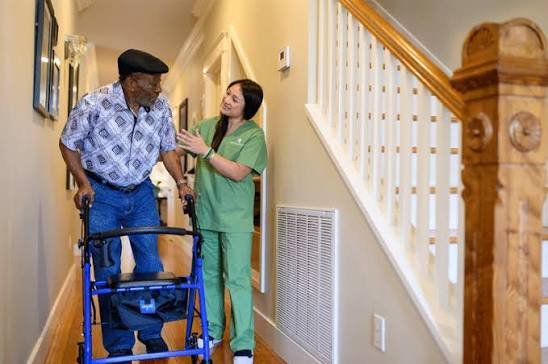
A fall can change everything for an older adult, sometimes in a single moment. That’s exactly why fall prevention tips for elderly family members deserve real attention, not just a passing mention during a doctor’s visit.
Why Falls Are Such a Serious Concern
Falls are one of the leading causes of injury among adults over 65, with roughly 1 in 4 older adults experiencing a fall each year — many of which are genuinely preventable with the right precautions.
That statistic changed how seriously my own family took small home hazards we’d ignored for years.
1. Remove Tripping Hazards at Home
- Loose rugs or mats
- Clutter in walkways
- Electrical cords across floors
- Uneven flooring transitions
Something as simple as securing a loose rug can prevent a fall that leads to a hip fracture.
2. Improve Home Lighting
Poor lighting, especially in hallways, stairs, and bathrooms, significantly increases fall risk at night. Motion-sensor night lights are a small investment with real impact.
3. Install Grab Bars in Bathrooms
Bathrooms are among the highest-risk areas for falls — installing grab bars near the toilet and shower is one of the most effective fall prevention tips for elderly individuals living independently.
Wet, slippery surfaces combined with getting in and out of a tub create exactly the conditions falls happen in.
4. Address Vision and Hearing Regularly
Annual eye exams matter more than people realize for fall prevention — poor depth perception or blurred vision makes navigating stairs and uneven surfaces genuinely dangerous.
5. Review Medications With a Doctor
Certain medications, or combinations of them, cause dizziness or drowsiness that increases fall risk. A periodic medication review with a doctor can catch this.
6. Encourage Regular Strength and Balance Exercise
Simple exercises like standing on one leg (with support nearby), gentle yoga, or walking programs genuinely improve balance and reduce fall risk over time.
7. Choose Proper Footwear
Loose slippers or walking barefoot on smooth floors increases slip risk significantly. Supportive, non-slip footwear, even indoors, makes a real difference.
8. Use Mobility Aids Without Hesitation
Picture a parent resisting a walking cane out of pride — that hesitation is exactly what leads to preventable falls. Mobility aids aren’t a sign of decline; they’re a genuinely smart precaution.
9. Consider a Medical Alert System
For seniors living alone, a wearable alert device provides real peace of mind for family, ensuring help can be reached quickly if a fall does happen.
What to Do If a Fall Happens
Don’t rush to move someone immediately after a fall, especially if they seem disoriented or are in pain — check for injury first and call for medical help if anything seems seriously wrong.
FAQs
Q: What’s the single most effective fall prevention tip for elderly people? Removing home tripping hazards combined with improved lighting addresses the majority of preventable fall risks.
Q: Do balance exercises really reduce fall risk? Yes, regular balance and strength training measurably reduces fall risk in older adults according to multiple studies.
Q: Should elderly parents live alone if fall risk is high? Not necessarily — with proper home modifications, medical alert systems, and regular check-ins, many seniors safely continue living independently.
Q: How often should medications be reviewed for fall risk? At least annually, or whenever a new medication is added, especially anything affecting balance or alertness.
Q: Are grab bars necessary if my parent seems steady on their feet? Yes, they’re a preventive measure — waiting until instability appears defeats the purpose of prevention.
Conclusion
These fall prevention tips for elderly family members are mostly simple, low-cost changes that meaningfully reduce serious injury risk. Walk through your parent’s home this week with fresh eyes — you’ll likely spot at least one hazard worth fixing today.