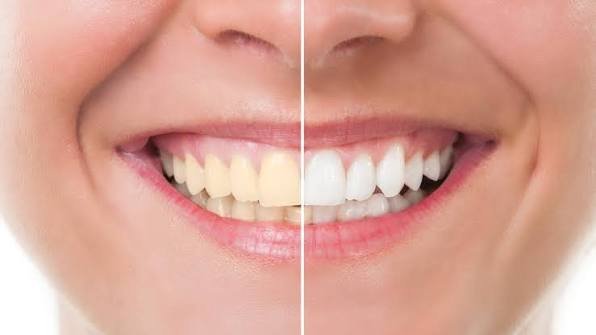
That moment when someone takes a small step back mid-conversation — we’ve all wondered if it’s us. Understanding the actual causes of bad breath helps you fix the real problem instead of just masking it with another mint.
Why Mouthwash Alone Often Doesn’t Work
Mouthwash temporarily masks odor but doesn’t address the underlying source — which is exactly why the smell often returns within an hour or two.
1. Poor Oral Hygiene (The Obvious One)
The most common cause of bad breath is bacteria buildup from inadequate brushing and flossing, especially food particles trapped between teeth and along the gumline.
Brushing twice daily isn’t enough if you’re skipping flossing — bacteria thrive in spaces a toothbrush simply can’t reach.
2. Tongue Coating
A huge number of people forget the tongue entirely. Bacteria collect heavily on the back of the tongue, and this alone can be responsible for a large share of chronic bad breath cases.
3. Dry Mouth
Saliva naturally washes away bacteria and food particles. Reduced saliva — from dehydration, certain medications, or sleeping with your mouth open — lets odor-causing bacteria multiply.
4. Certain Foods
- Garlic and onions (absorbed into bloodstream, exhaled through lungs)
- Coffee (dries out the mouth)
- High-protein, low-carb diets (can cause “keto breath”)
5. Gum Disease
Persistent bad breath that doesn’t improve with better brushing can be a sign of gum disease, where bacteria beneath the gumline produce a distinct, hard-to-mask odor.
If brushing and flossing improve but the smell persists, this is worth flagging to a dentist rather than assuming it’s diet-related.
6. Sinus Issues and Post-Nasal Drip
Chronic sinus infections or allergies can cause mucus to drip down the throat, creating a breeding ground for odor-causing bacteria unrelated to oral hygiene at all.
7. Digestive Issues
Less common, but acid reflux and certain digestive conditions can contribute to persistent bad breath that oral care alone won’t fully resolve.
8. Smoking and Tobacco
Beyond the obvious smell, tobacco reduces saliva flow and irritates gum tissue, compounding bad breath from multiple angles at once.
How to Actually Fix Bad Breath
- Brush twice daily, focusing on the gumline, not just tooth surfaces
- Floss daily — non-negotiable, honestly
- Clean your tongue with a scraper, not just your toothbrush
- Stay hydrated throughout the day
- Chew sugar-free gum to stimulate saliva when brushing isn’t possible
- Get a dental checkup if the smell persists despite good hygiene
When Should You See a Dentist?
If bad breath persists for weeks despite consistent oral hygiene improvements, that’s the signal to rule out gum disease or another underlying cause rather than continuing to rely on mints.
FAQs
Q: Can bad breath come from the stomach, not the mouth? In rare cases yes, though the vast majority of chronic bad breath actually originates in the mouth, particularly the tongue and gums.
Q: Does drinking more water help with bad breath? Yes, hydration keeps saliva flowing, which naturally reduces the bacteria responsible for odor.
Q: Is tongue scraping really necessary? It makes a noticeable difference for many people since a toothbrush alone often misses significant bacteria on the tongue’s surface.
Q: Can bad breath be a sign of a serious health condition? Occasionally — chronic bad breath tied to sinus issues, diabetes, or digestive conditions is worth medical evaluation if oral causes are ruled out.
Q: How quickly can bad breath improve with better habits? Simple hygiene improvements often show noticeable results within a few days to a week.
Conclusion
Most causes of bad breath trace back to oral hygiene gaps that are genuinely fixable with consistent habits — brushing, flossing, and tongue cleaning cover the majority of cases. If it persists despite doing everything right, a dental checkup will help rule out anything deeper going on.