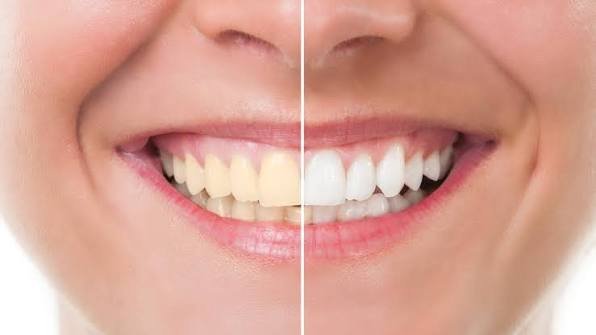
Coffee stains, turmeric-heavy Indian food, tea multiple times a day — it’s no wonder so many of us search for natural teeth whitening at home solutions instead of expensive dental treatments. Good news: some home methods genuinely work, though a few popular ones are honestly overhyped.
Does Natural Teeth Whitening Actually Work?
Natural teeth whitening at home can remove surface stains effectively, though it typically can’t match the dramatic results of professional bleaching treatments for deeper discoloration.
Manage expectations here — natural methods lighten, professional treatments transform.
1. Baking Soda (Used Correctly)
Baking soda has mild abrasive properties that help lift surface stains. Mix a small amount with water into a paste, brush gently once or twice a week — not daily, since overuse can wear down enamel.
2. Oil Pulling
Swishing coconut or sesame oil in your mouth for 10-15 minutes, an old Ayurvedic practice, is believed to reduce bacteria and mild staining. The evidence is more anecdotal than clinical, but it’s low-risk and many people report a noticeably cleaner feeling.
3. Hydrogen Peroxide (Diluted, With Caution)
Diluted hydrogen peroxide is one of the more evidence-backed natural teeth whitening at home options, but concentrations above 3% can irritate gums and should be avoided without dental guidance.
Use as a mouth rinse, never swallow, and don’t overdo the frequency.
4. Eating Crunchy Fruits and Vegetables
Apples, carrots, and celery naturally scrub surface stains while you chew, plus they stimulate saliva production, which helps neutralize acid in your mouth.
5. Activated Charcoal (Use With Caution)
This one’s trendy, but dentists are genuinely divided. Charcoal can be abrasive enough to damage enamel with frequent use — occasional, gentle use is fine, but it’s not a daily habit.
6. What to Avoid
- Lemon juice directly on teeth (too acidic, erodes enamel)
- Excessive baking soda scrubbing
- Charcoal used aggressively or daily
- Strawberry-and-baking-soda “hacks” (mostly myth, minimal effect)
7. Prevention Matters More Than Whitening
Reducing staining foods and drinks — coffee, tea, red wine, turmeric-heavy curries — combined with rinsing your mouth after eating, prevents stains before they even set in.
Picture someone who drinks three cups of chai daily without ever rinsing after — stains build up faster than any whitening remedy can keep pace with.
When to See a Dentist Instead
If discoloration is deep, uneven, or tied to a specific tooth rather than general staining, that’s often beyond what home remedies can fix — professional consultation makes more sense at that point. [link to related dental care guide here]
FAQs
Q: How long does natural teeth whitening at home take to show results? Mild improvement can appear within 2-3 weeks of consistent, gentle use — don’t expect overnight results.
Q: Is baking soda safe for teeth long-term? Occasional use (1-2 times weekly) is generally safe; daily use can wear enamel over months.
Q: Does oil pulling really whiten teeth? Evidence is limited, but it may reduce bacteria and mild staining as a supportive habit, not a standalone whitening solution.
Q: Can natural remedies replace professional teeth whitening? For deep stains or dramatic whitening, no — natural methods work best for maintenance and mild surface stains.
Q: Is charcoal toothpaste safe to use daily? Most dentists recommend limiting it to occasional use due to its abrasive nature.
Conclusion
Natural teeth whitening at home can genuinely brighten your smile for mild, surface-level staining — just keep expectations realistic and technique gentle. If stains run deeper or nothing seems to help after a few weeks, a dental consultation is the smarter next step.